Published by Upholstery World Auckland · Reading time: 5 minutes
Marine upholstery operates in one of the harshest environments any fabric will encounter: intense UV radiation, salt spray, humidity, wet-dry cycles, and constant mechanical wear from passengers and equipment. Standard upholstery fabrics will fail quickly in a marine environment. Choosing the right marine-grade material from the outset is essential for longevity and safety.
The Key Properties Marine Fabrics Must Have
- UV resistance — Auckland’s UV index is among the highest in the world. Marine fabrics must resist fading and degradation from prolonged sun exposure.
- Water resistance — fabrics should shed water quickly and not absorb moisture that leads to mould and mildew.
- Salt resistance — salt accelerates degradation of both fibres and stitching. Marine-grade materials and UV-resistant thread are essential.
- Abrasion resistance — boat seating takes physical wear from passengers, gear, and hardware.
- Mould and mildew resistance — New Zealand’s coastal humidity creates ideal mould conditions. Closed-cell materials resist this best.
Best Marine Upholstery Fabric and Vinyl Options
1. Marine-Grade Vinyl
Marine vinyl is the most widely used material for boat seat covering in New Zealand and for good reason. Quality marine vinyl is UV-stabilised, water-repellent, easy to wipe clean, and available in a wide range of colours and textures. Look for vinyl with a minimum thickness of 28oz and UV inhibitors built into the formulation. Well-known brands include Herculite, Spradling, and SeaMark. Price: $30–$70/m.
2. Solution-Dyed Acrylic (e.g. Sunbrella)
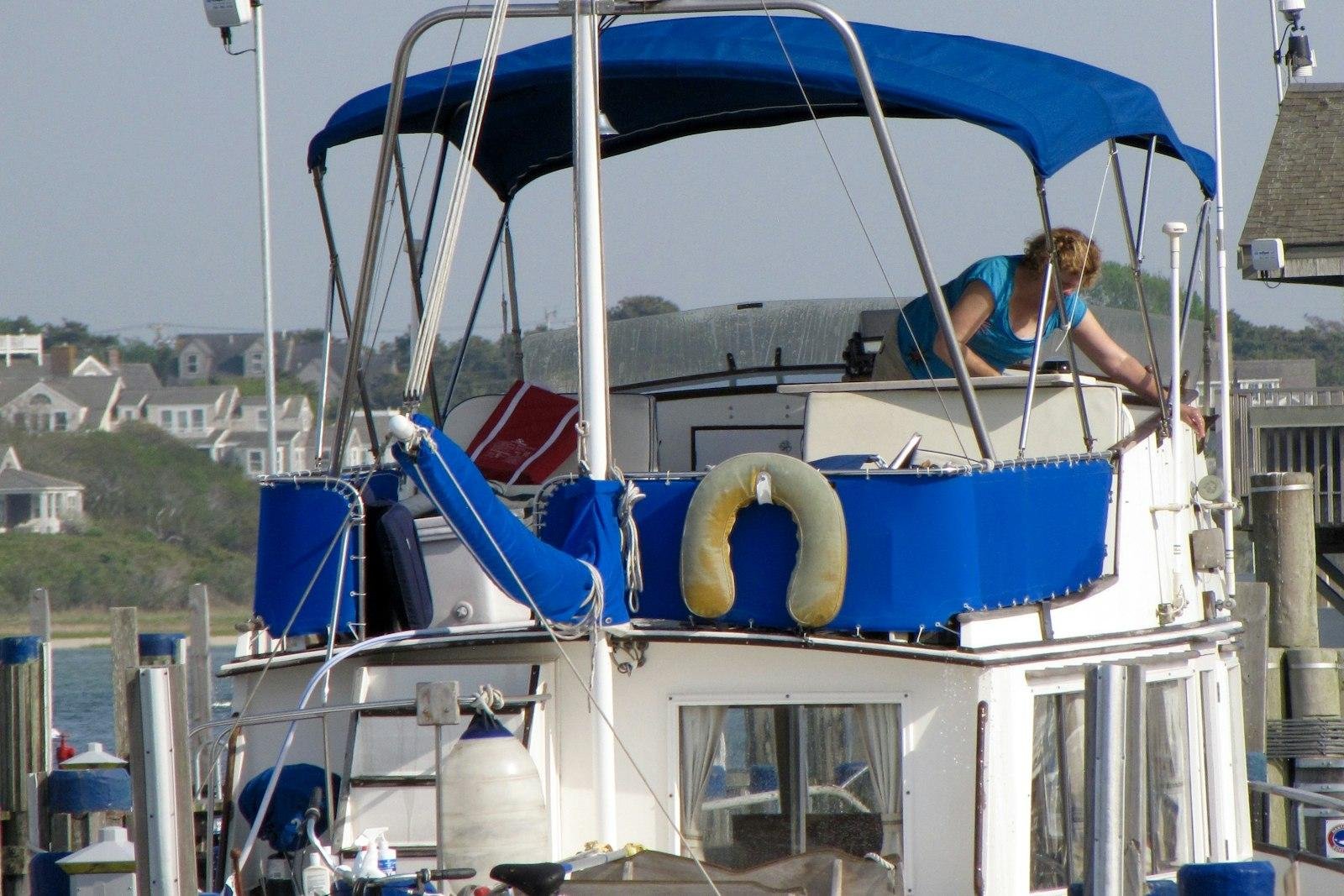
Solution-dyed acrylic fabrics like Sunbrella have become the gold standard for marine soft furnishing — cushion covers, bimini tops, dodgers, and enclosures. The colour is dyed into the fibre rather than applied to the surface, meaning it won’t fade even under extreme UV. These fabrics are water-repellent, mould-resistant, and come in a wide range of boat-appropriate colours and patterns. Price: $60–$120/m.
3. Polyester Canvas
Heavy-duty polyester canvas is commonly used for boat covers, bimini tops, and exterior applications. It’s available in coated and uncoated versions — coated provides better water resistance. Quality marine polyester canvas is strong, UV-stabilised, and relatively affordable. Price: $25–$60/m.
Fabric prices above are indicative per-metre material costs and exclude GST.
4. Closed-Cell Foam
The foam beneath the covering matters as much as the fabric above it. Always use closed-cell foam in marine applications — open-cell foam absorbs water, becomes heavy, compresses, and creates mould problems. Closed-cell foam repels water even if the covering is ever punctured.
Marine-Grade Thread and Hardware
Even the best marine fabric will fail prematurely if sewn with standard thread. Always use UV-resistant, marine-grade polyester or PTFE (Teflon) thread. Stainless steel or brass fittings should be used wherever metal touches the upholstery. At Upholstery World, marine-grade thread and fittings are standard on all our marine work.
How Long Should Marine Upholstery Last in NZ?
With quality materials and proper care, marine upholstery should last 8–15 years in New Zealand conditions. The lifespan is significantly extended by:
- Covering the boat when not in use
- Rinsing with fresh water after salt water exposure
- Applying UV protectant to vinyl surfaces annually
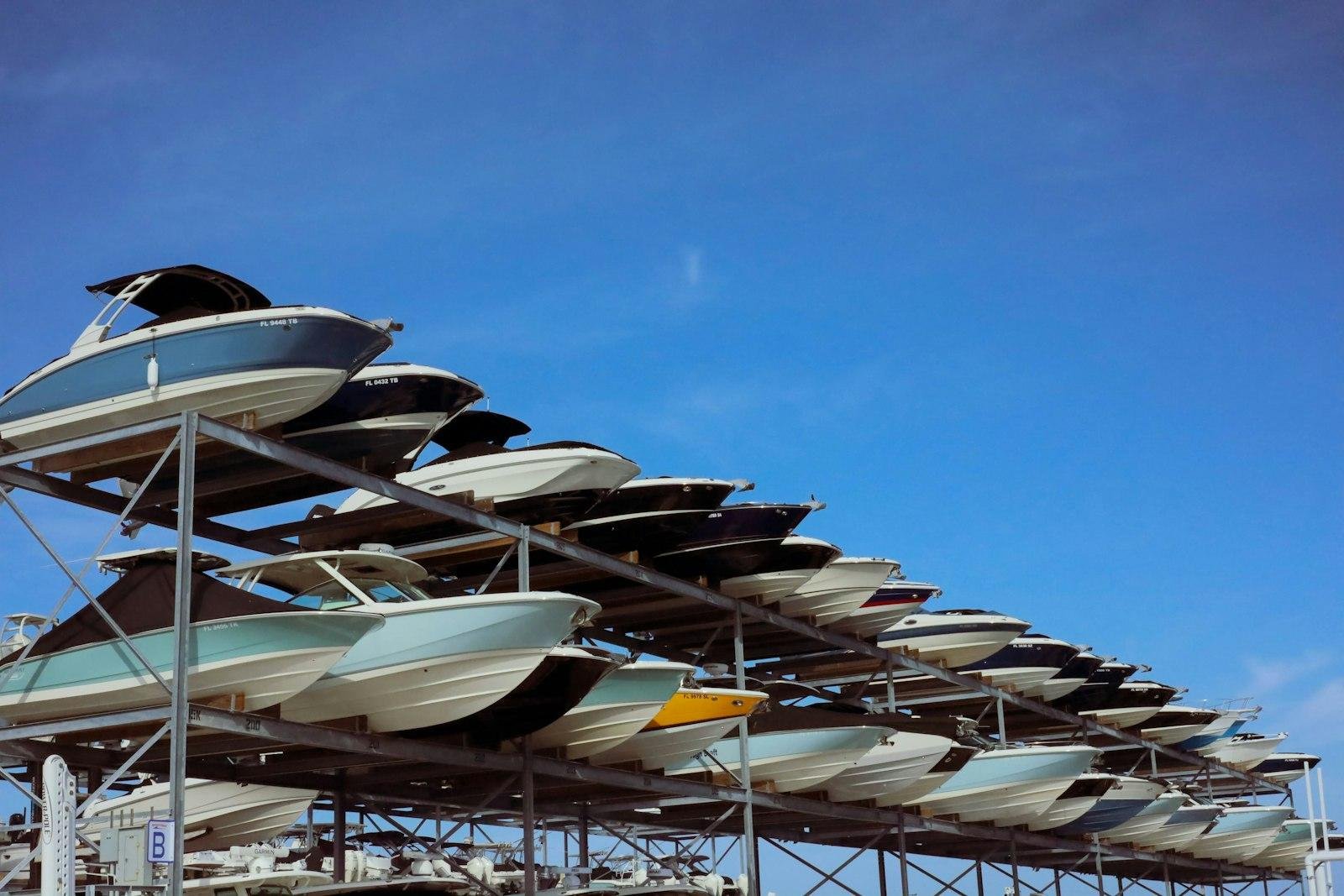
- Storing in a covered berth or shed rather than on a mooring
Ready to bring your boat’s interior back to life? Get a free quote from Upholstery World — Auckland’s trusted upholstery specialists.