Published by Upholstery World Auckland · Reading time: 7 minutes
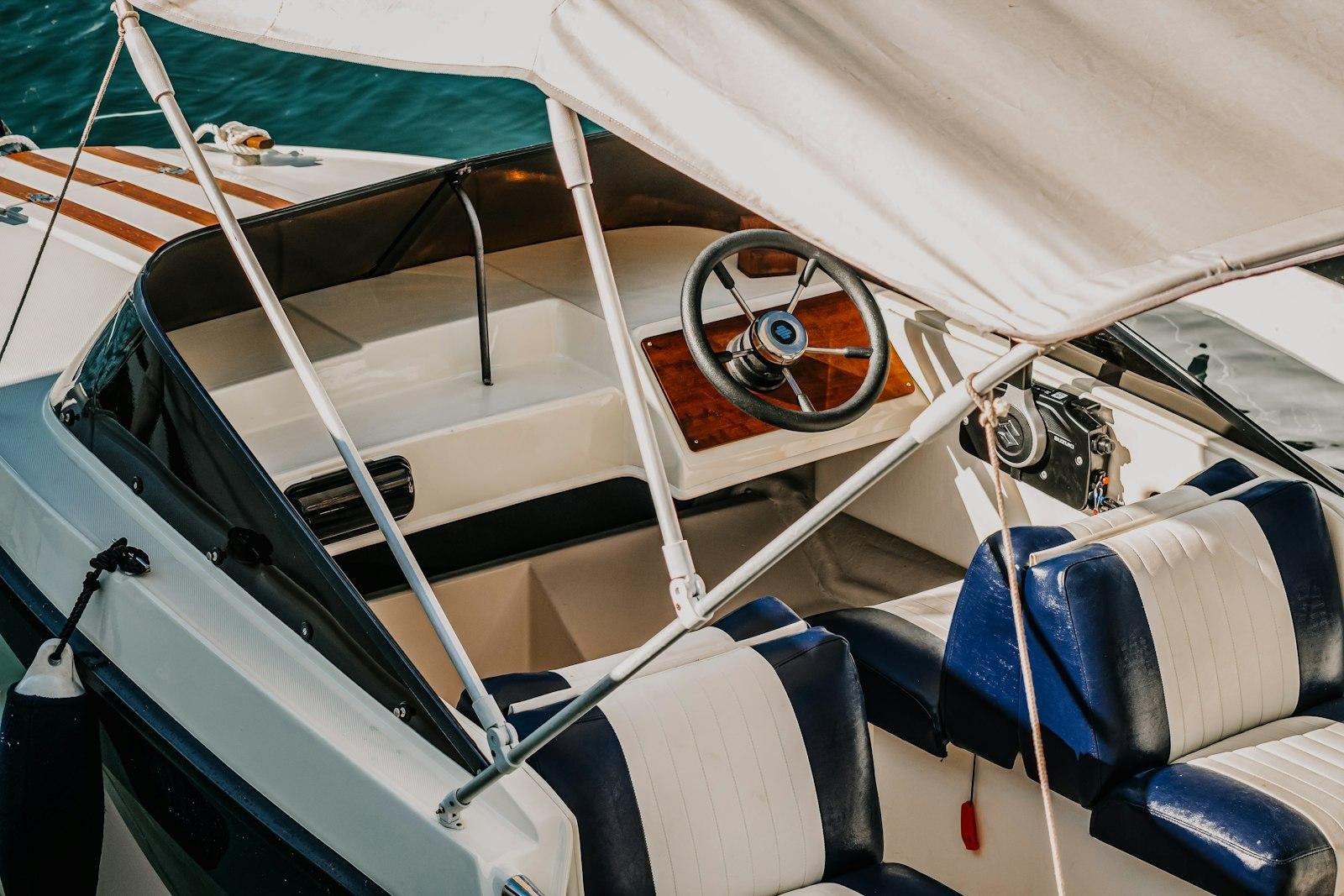
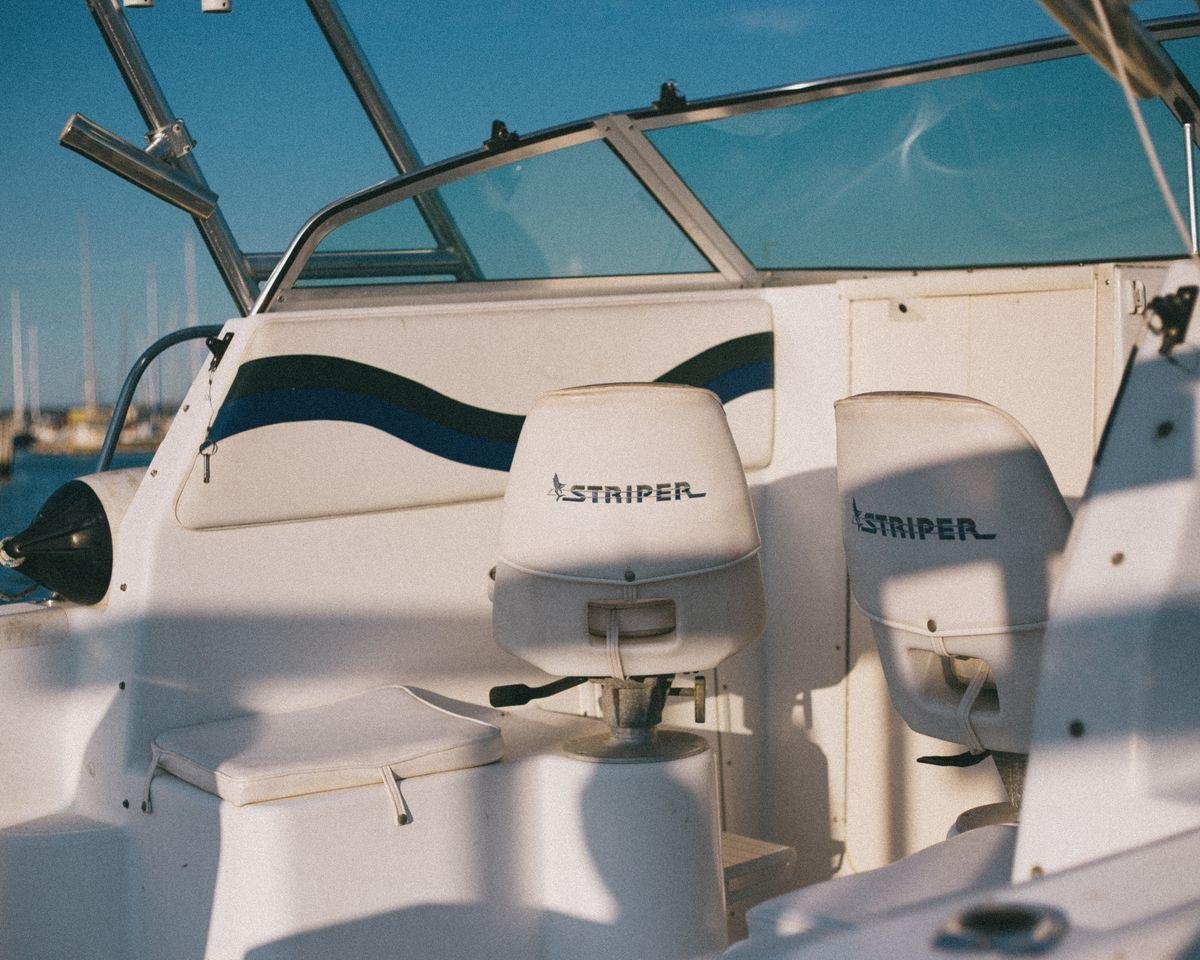
Boat upholstery fails for three reasons that furniture never faces: ultraviolet light, salt, and water that gets in and cannot get out. Understanding those three is what separates a squab that lasts ten seasons from one that is chalky and sour-smelling after two. This page explains what is actually happening to your seats, what “marine-grade” means when it is more than a label, and how to get the longest life out of whatever you have done.
If you are here for prices, they are on our boat upholstery cost guide for New Zealand — squabs, helm seats, cabin refits and covers, all itemised. This page is about why the job costs what it does, and how to make it last.
Why does marine upholstery wear out faster than furniture upholstery?
A sofa lives indoors at a stable temperature and never gets wet. Your boat seats live through the exact opposite, and three things are working on them at once.
UV
Ultraviolet light breaks down the plasticisers that keep marine vinyl soft and the polymers that hold canvas and stitching together. That is why old vinyl goes chalky, stiff and then cracks along the fold lines, and why sun-facing thread fails before the fabric it is holding. In New Zealand, the combination of high UV levels and light reflecting off the water means an exposed sun pad or a bimini top takes far more dose than the same material would on a deck chair.
Salt
Salt crystals are abrasive. They work into seams, into the weave of canvas and into the gaps around fasteners, and every time the boat moves they grind. Salt also holds moisture against surfaces long after the boat looks dry, which is what corrodes staples, press studs, zips and the steel underneath a seat base.
Wet-and-dry cycling
Water gets through a single failed stitch or a hairline split in the vinyl, sits in the foam, and cannot get back out. The seat then dries on the surface and stays wet inside. That is the origin of nearly every mouldy, sour-smelling boat seat — not dirt on the outside, but water trapped on the inside.
None of this is avoidable on a working boat. It is why marine work uses different materials from furniture work, and why the cheap option almost always costs more over a few seasons.
What do “marine-grade” vinyl and marine foam actually mean?
“Marine-grade” gets used loosely, so here is what it means in practice.
Marine vinyl
Marine vinyl is built to a different specification from furniture or automotive vinyl. It carries UV stabilisers and a mildew inhibitor in the coating, it is made to stay flexible across a much wider temperature range so it does not crack when a cold morning follows a hot afternoon, and its backing cloth is chosen to resist rot. It is also heavier, which is part of why marine work takes longer to sew than domestic work.
There is a real spread inside the category, too. A standard UV-stabilised vinyl and a top-tier marine fabric built for years of full sun and salt are different products at different prices. On a boat that lives on a mooring in the open, the better grade is usually the cheaper decision over five years. On a trailer boat that spends most of the year under cover in a garage, the standard grade does the job.
Marine thread and fittings
These matter as much as the fabric. A seat sewn with ordinary polyester thread will fail at the stitch line while the vinyl around it is still perfectly good. UV-resistant thread and stainless or brass fittings are the difference between a cover that lasts and one that quietly unpicks itself in the sun.
Closed-cell or open-cell foam — which one belongs in a boat?
Open-cell foam is what is inside your sofa cushions. Its cells are interconnected, so it breathes, it is comfortable, and it soaks up water like a sponge and holds it. In a boat that is a problem: once water gets past the cover, open-cell foam becomes a permanently damp reservoir that grows mould, smells, and rots the base beneath it.
Closed-cell foam has sealed cells, so water cannot travel through it. If the cover is ever breached, the seat sheds the water instead of storing it. It is denser, firmer and more expensive per sheet than open-cell foam, and it is the correct choice for squabs, cushions and any seating that gets wet. That price difference is one of the reasons a properly built marine squab costs more than a domestic cushion of the same size — and it is the single component people most often try to save on and most often regret.
How to check your own seats before you ask for a quote
Three checks, all of them from the outside, will tell you most of what we need to know.
- Press the foam. Push firmly with your thumb. Foam that springs back is fine. Foam that stays compressed, feels spongy and damp, or weeps water is finished, and new vinyl over it will fail early no matter how good the cover is.
- Look at the vinyl away from the wear points. Cracking at the edge you sit on is normal wear. Cracking across the middle of a panel, or a chalky feel across the whole seat, means the material itself has gone.
- Check the base. Marine ply seat bases rot from the inside. If the staples pull out of the edge with light pressure, the base needs replacing or reinforcing as part of the job.
Photograph the seat from a metre back, then close up on the worst area and on the underside of the base. That is usually enough for us to tell you whether you are looking at a repair or a recover. The boat seat repair page has five more checks you can do yourself, and the cost guide explains the difference and what each one costs.
Why a good boat cover matters more than anything else on the boat
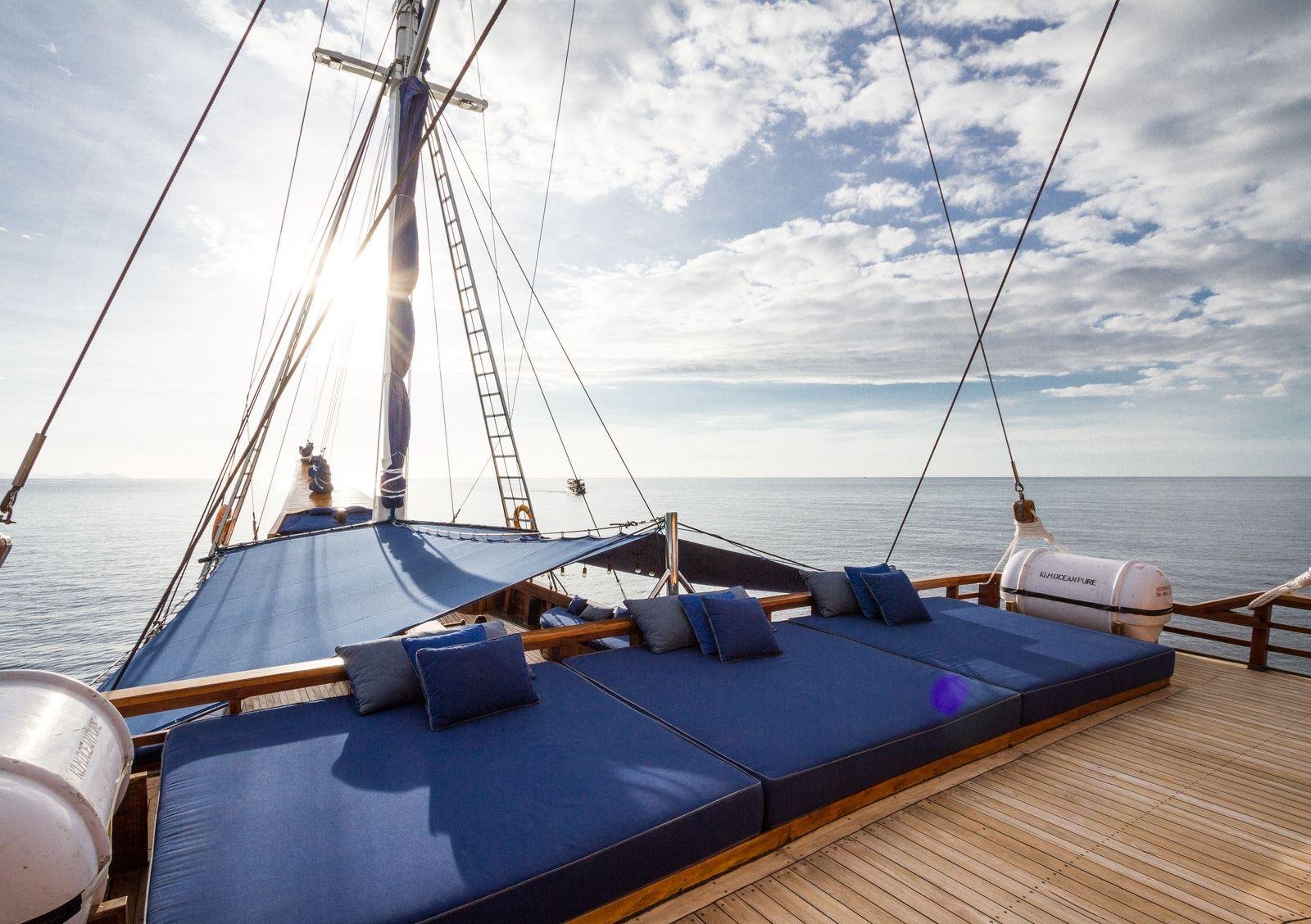
A cover is the cheapest upholstery you will ever buy, because it protects everything else. Every hour the boat sits uncovered on a trailer or on a mooring is an hour of UV on the seats, the sun pads, the helm and the carpet — and those are the surfaces a buyer looks at first.
Boats are largely sold on presentation. Two identical hulls with the same hours on the motor will not fetch the same price if one has cracked, faded seating and a mouldy squab set and the other looks cared for. A replacement bimini from $600 and a full custom cover from $800 (both excl GST) are small numbers set against a full seat set, and much smaller numbers set against what tired upholstery takes off the asking price. If you are planning to sell in the next couple of seasons, covering the boat properly is the highest-return job you can do.
When should you book marine upholstery in Auckland?
The New Zealand boating season runs roughly from Labour Weekend through to autumn, which makes the pattern very predictable: everyone discovers their seats are cracked in the last week of October.
Book in late winter or early spring instead. Booking before the season starts means your boat is off the water when you are not using it anyway, you get a proper look at the fabric options rather than choosing in a hurry, and you are not competing with the pre-Labour-Weekend rush. Autumn, once the boat is coming out of the water for the winter, is the other sensible window — the damage from the season just gone is fresh in your mind and there is no deadline pressing.
The one time not to wait is when a seam has opened or the vinyl has split. Water is getting into the foam every time it rains, and a full squab replacement is what a delayed repair turns into.
What marine upholstery work does Upholstery World do in Auckland?
Boat seat repair and reinforcement, custom boat covers, marine carpet and flooring replacement, custom boat seat reupholstering, marine foam replacement, sun pad repair and reconstruction, boat canvas repair and replacement, boat cushion and squab replacement, cabin upholstery and wall panels, and captain’s chair repair. Materials are marine-grade, UV-resistant and waterproof throughout.
We work from our Auckland workshop for most jobs, with pick-up and delivery across Central, East, West and South Auckland and the North Shore, and we come to the boat when something has to be measured or fitted in place. We are open seven days: Monday to Friday 8am–7pm, Saturday and Sunday 9am–6pm.
The full detail of each service is on our marine upholstery page for Auckland.
Frequently asked questions
What is the difference between marine vinyl and ordinary vinyl?
Marine vinyl has UV stabilisers and a mildew inhibitor built into the coating, stays flexible across a wider temperature range, and uses a rot-resistant backing cloth. Ordinary furniture or automotive vinyl has none of that, and on a boat it goes chalky and cracks within a few seasons.
What is closed-cell foam and why does it matter?
Closed-cell foam has sealed cells, so water cannot soak into it. If the cover is breached, the seat sheds water instead of storing it. Open-cell foam — sofa foam — does the opposite, and is the cause of most mouldy, sour-smelling boat seats.
Can you repair my boat seats instead of replacing them?
Often, yes. If the vinyl is still flexible and the problem is a split seam, a failed zip or a single damaged panel, a repair costs considerably less than a full recover. If the vinyl has gone hard and is cracking away from the wear points, or the foam is holding water, replacement is the more economical option over the life of the boat. The cost guide sets out what each one costs.
Do I need to bring the boat to you?
Most jobs come to our Auckland workshop, where the tools and materials are, with pick-up and delivery across Auckland. For larger vessels or work that is impractical to transport, we come to the boat.
When is the best time of year to book?
Late winter and early spring, before the season starts at Labour Weekend, or autumn as the boat comes out of the water. Both avoid the pre-season rush, and both mean the boat is off the water at a time you were not using it anyway.
How long should marine upholstery last?
With marine-grade materials and reasonable care, many years — how many depends on how much sun and use it gets. Rinsing with fresh water, covering the boat when it is not in use, and keeping UV protectant on the vinyl all extend it considerably.
Get a price on your boat
Send a few photos and you will get a price for your specific vessel, straight advice on whether a repair or a replacement is the better spend, and a fixed quote before any work starts. Upholstery World is rated 5.0 on Google and works Auckland-wide, seven days a week.
Contact Upholstery World for a free marine upholstery quote, or WhatsApp photos of your boat seats, squabs, canvas or cover to +64 22 634 3792.
Want the numbers first? See what boat upholstery costs in New Zealand, or read about marine, automotive and furniture work on the North Shore.
About the author. Viraj is the founder and lead upholsterer at Upholstery World Auckland, working across furniture, automotive, marine and commercial upholstery Auckland-wide. Send photos for a free quote on WhatsApp: +64 22 634 3792.