Published by Upholstery World Auckland · Reading time: 9 minutes
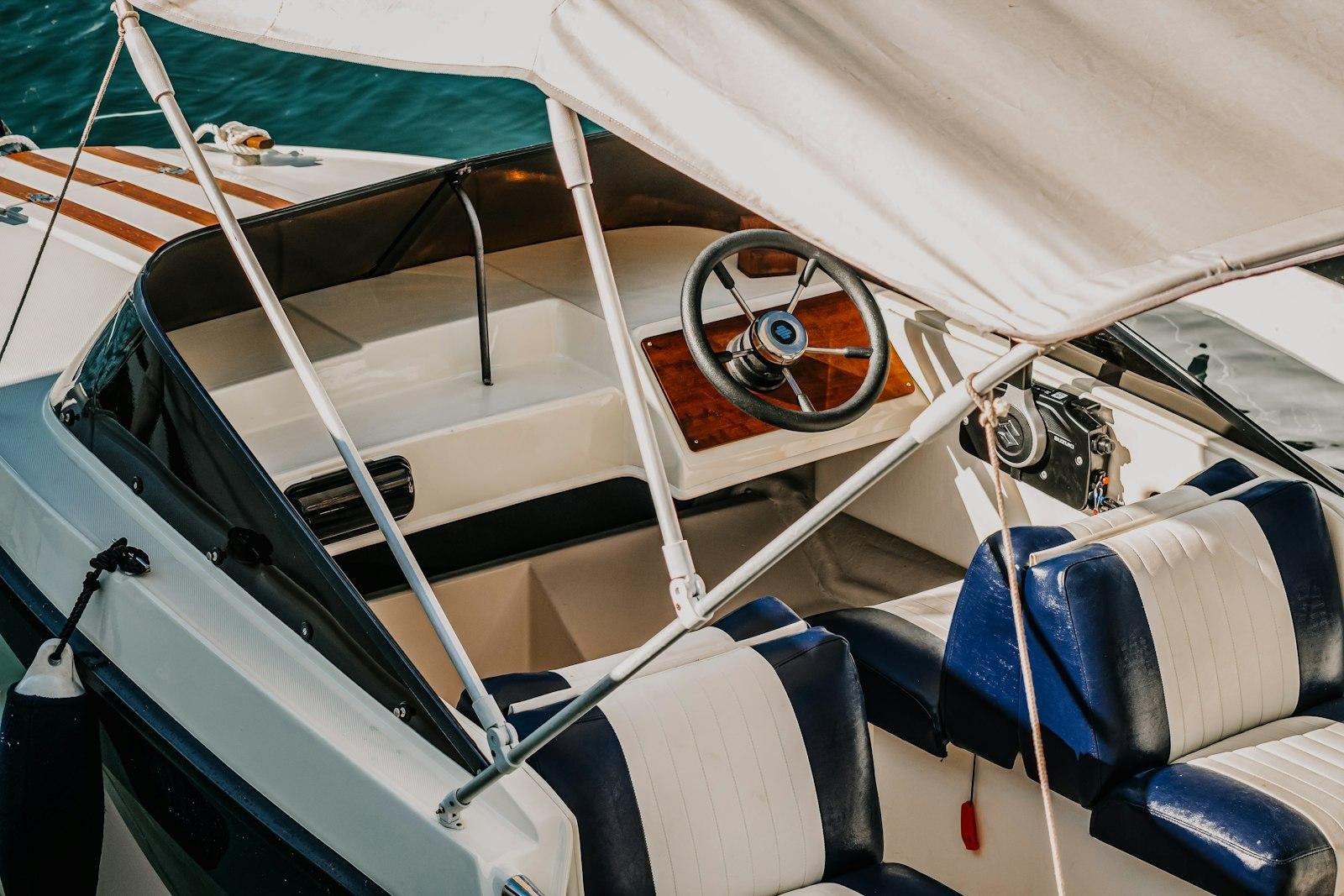
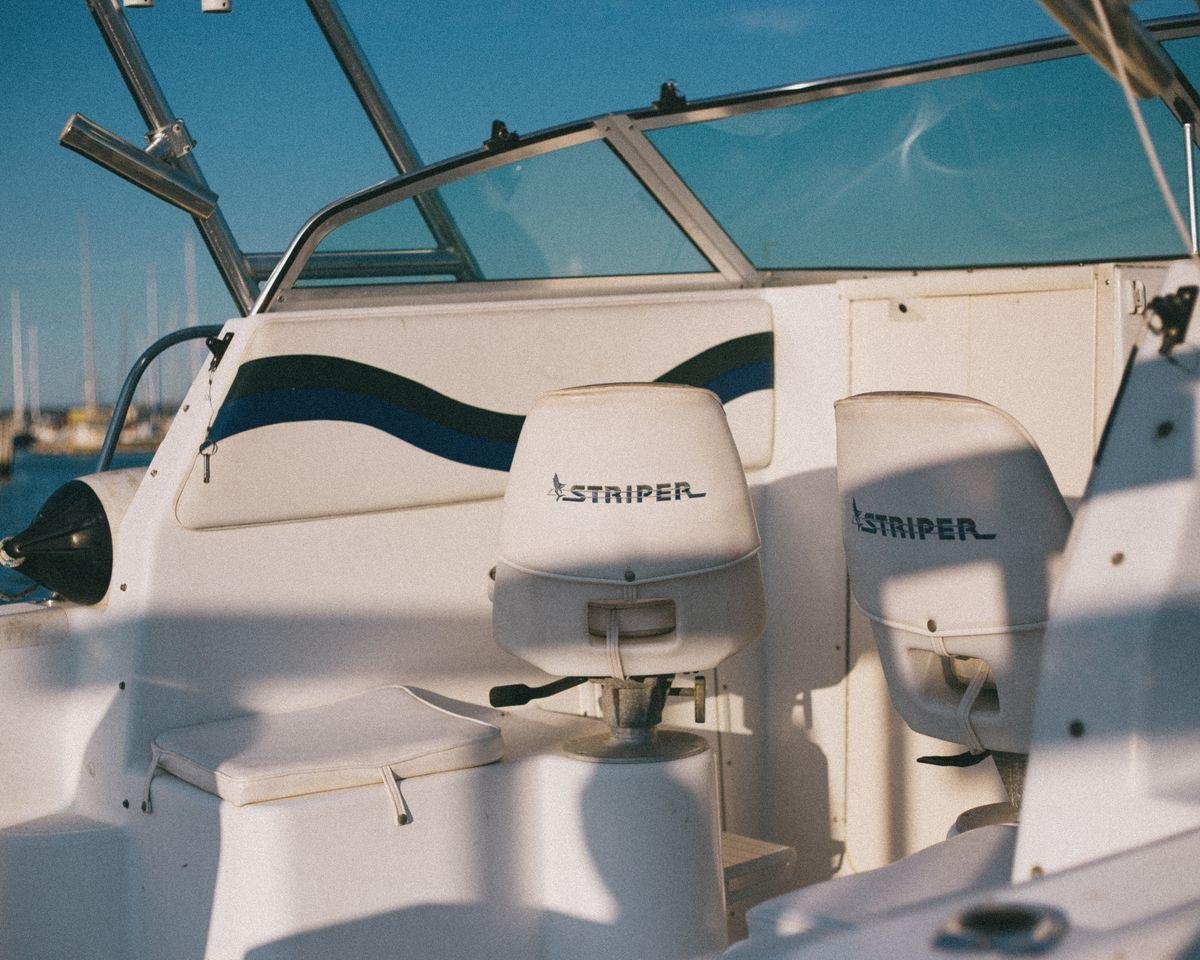
Boat upholstery in New Zealand runs from about $80 for a small squab repair to $4,000 for a full cabin refit on a superyacht, all prices excluding GST. Most jobs sit well inside that. Individual boat squabs and cushions are $150–$200 each, recovering a squab whose foam is still sound starts at $100, and a helm or skipper’s seat is $300–$450. Cabin and bunk work is quoted as a whole job by the size of the vessel: $500–$900 on a small boat, $800–$1,500 on a mid-size boat, and $2,500–$4,000 on a superyacht. A full runabout seat set starts at $800, a bimini top at $600 and a full custom boat cover at $800.
What follows is what those figures are actually made of, how to tell whether you need a repair or a recover, and how long the work takes.
What boat upholstery costs in New Zealand
| Job | Typical NZ cost (2026) |
|---|---|
| Squab or cushion — each | $150 – $200 |
| Recover only — existing foam retained, new fabric | from $100 |
| Squab repair — smallest job we take | from $80 |
| Helm / skipper’s seat — each | $300 – $450 |
| Helm seats — pair | $600 – $900 |
| Cabin & bunk work, full cabin refit — small boat | $500 – $900 |
| Cabin & bunk work, full cabin refit — mid-size boat | $800 – $1,500 |
| Cabin & bunk work, full cabin refit — superyacht | $2,500 – $4,000 |
| Full runabout seat set | from $800 |
| Bimini top | from $600 |
| Full custom boat cover | from $800 |
All prices exclude GST.
Two ways a job gets priced
Individual squabs, cushions and seats are priced per piece. That is the $150–$200 figure, and it is what applies when you are recovering the seating in a runabout or replacing a couple of cushions.
Cabin and bunk work is priced as a whole job, by the size of the vessel. That is the $500–$4,000 band, and it covers the berth cushions, backrests and cabin work together rather than counting pieces. If your job is large or has a lot of parts, we quote the whole thing rather than adding up items, and the number we give you is fixed before any work starts — however many pieces there are.
Where a job lands inside its range comes down to things you choose — the grade of vinyl or fabric, whether the foam gets replaced, how much stitch detail you want — and one you don’t, which is what condition the seat is in when it comes off the boat.
Repair or recover?
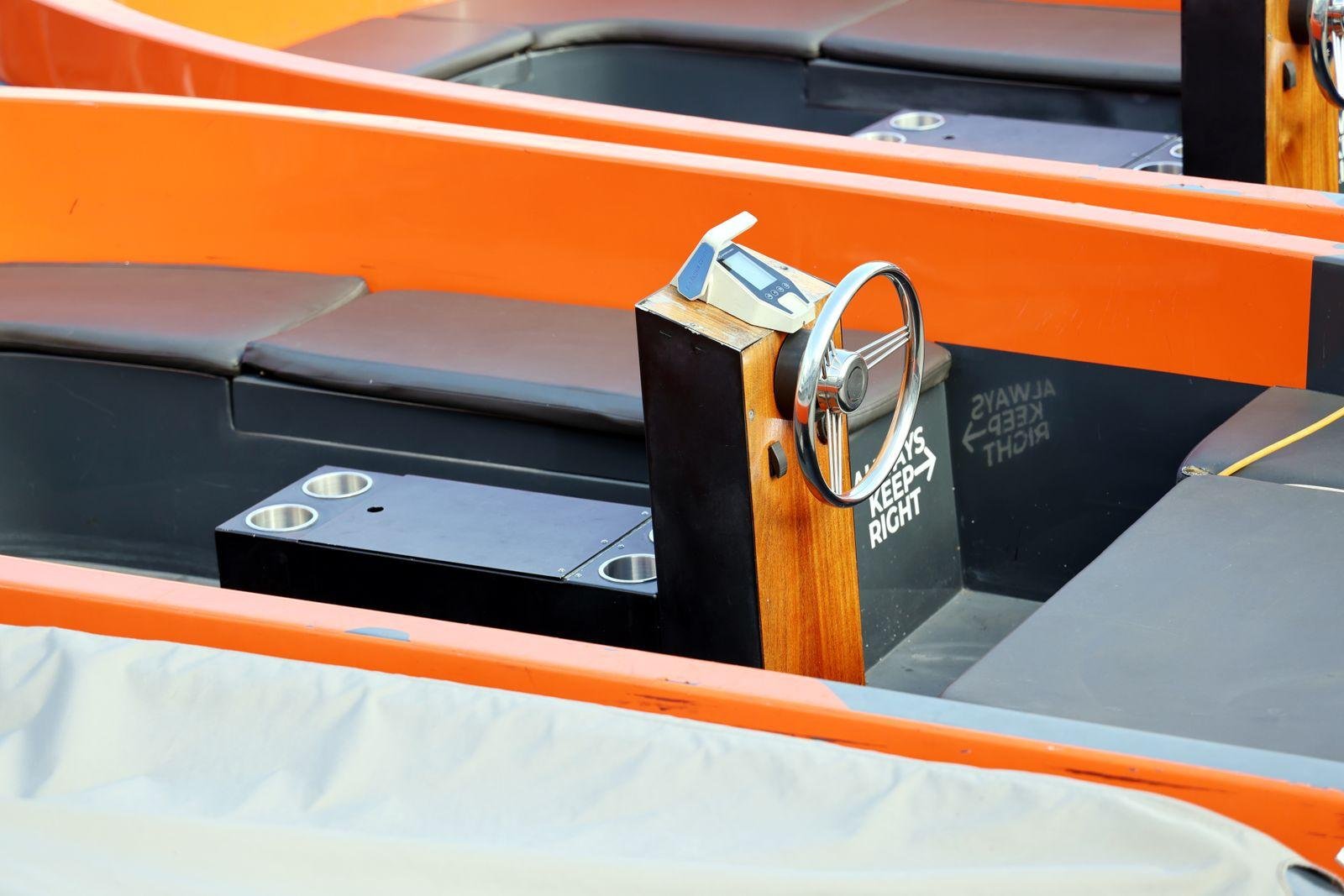
These are two different jobs at two very different prices, and plenty of boat owners ask for the expensive one when they need the cheaper one. A repair starts at $80; a recover with new fabric over sound foam starts at $100.
A repair fixes a specific fault and leaves the rest of the covering in place: restitching a seam that has let go, patching a split, replacing a broken zip in a cover, re-fixing a fitting. If the vinyl still has life in it and the damage is in one spot, this is nearly always the right call.
A recover takes the old covering off, gets a proper look at the foam and the base board underneath, and puts new marine-grade vinyl or fabric on.
The line between them is easy to check yourself: look at the condition of the vinyl. While the vinyl is sound, a repair is the right spend. Once it has gone mouldy and started to flake, you are past repairing it. Patching or restitching a panel that is flaking just moves the problem along by a season, because the material itself has failed rather than the stitching. That is the point where recovering stops being the expensive option and starts being the cheaper one.
If you are not sure which one you are looking at, send photos. We will tell you honestly if a repair will do, and we will tell you if a squab is past saving rather than take your money for it. For five checks you can do yourself before asking, see boat seat and marine vinyl repair in Auckland.
What drives the cost
Fabric and vinyl grade
The single biggest lever you control. Marine vinyl is not one product — there is a real spread between a standard UV-stabilised vinyl and a top-tier marine fabric built for years of full sun and salt. On a boat that lives on a mooring in the open, the better grade is usually the cheaper decision over five years; on a trailer boat that spends most of the year under cover in a garage, the standard grade does the job. For the detail on what separates marine vinyl from ordinary vinyl, and why closed-cell foam matters, see why boat seats fail and what actually lasts.
Foam
Marine foam has a job beyond comfort: it has to not hold water. Closed-cell marine foam won’t absorb moisture even if the covering is breached, which is what stops mould forming underneath a squab. If your existing foam is still firm and dry, keeping it takes a real chunk out of the price — that is the difference between a recover from $100 and a full rebuild. If it has gone soft, or squelches when you press it, replacing it is not optional: new vinyl over waterlogged foam is money thrown away, and the smell comes back within a season.
Buttoning, piping and stitch detail
Piping, contrast stitching, buttoning and diamond patterns are all hours, not materials. They are worth it on a boat you are proud of and easy to leave off one you just need serviceable before Christmas.
Size and shape
A flat rectangular squab is the quickest thing in marine upholstery. A wrap-around bench, a bolstered helm seat, anything with a curve or a moulded shape, takes patterning before a single cut is made — and patterning is where the hours go.
Condition when it arrives
This is the one nobody plans for. Mould through the foam, a rotted or delaminated base board, corroded fittings, or a previous repair done badly with the wrong thread — each of those is work that happens before the new covering goes on. It is also why an honest quote usually needs eyes on the job, or at least good photos.
Boat type
A tinnie, a trailer runabout, a launch and a superyacht are four different jobs. The bigger the vessel the more there is of everything, and cabin work on a launch or yacht brings in headlining and berth cushions that a runabout simply doesn’t have — which is why cabin work is priced by vessel size rather than by the piece.
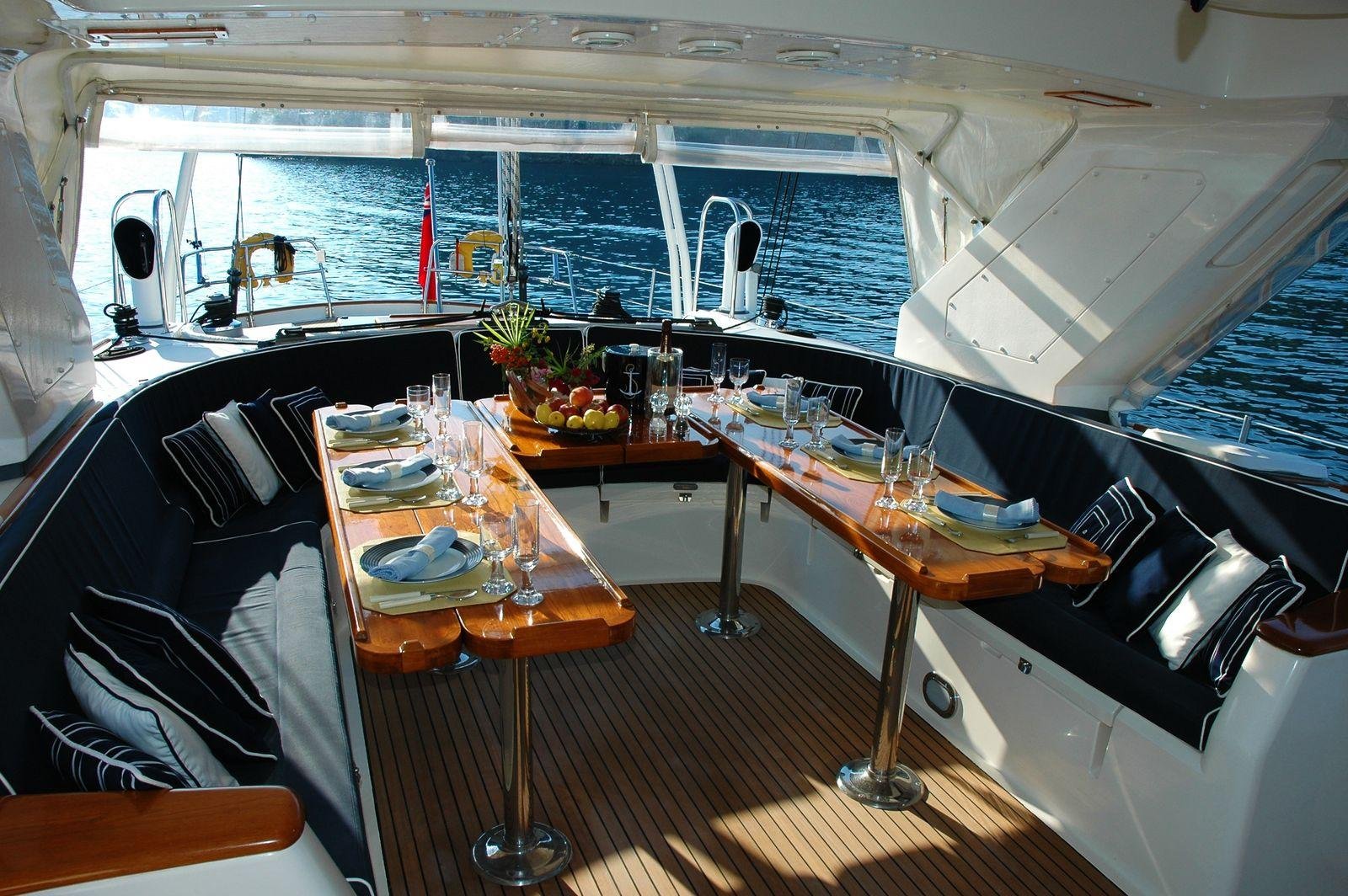
Workshop or on the boat?
Most work is done at our Auckland workshop, where the materials and machines are. Small items like squabs, cushions and covers come off the boat and back to us. When something has to be measured or fitted in place, or the vessel isn’t practical to strip, we come to the boat and work on site.
The workshop is our preference because the finish is better and the turnaround is faster, but the boat not moving is never a reason we can’t do the job. We’ll tell you which suits yours when we quote.
How long does boat upholstery take?
Most marine work is completed in about three working days from the day you accept the quote to the day it goes back on the boat. Larger jobs — full cabin refits and multi-piece sets — typically take seven to ten working days, because there is more patterning, more material and more of everything to make up. You’ll get a timeframe with your quote, before you commit to anything.
If you want the boat ready for summer, the practical advice is simple: book before Labour Weekend, not after it. Marine work in Auckland compresses hard into October, November and December, and workshops book out as the season opens. The three-day figure is how long the job takes; it is not a promise about how soon we can start it in the middle of the rush.
Is your boat upholstery worth doing?
Some squabs are worth recovering and some should be replaced outright. What to look at:
- The vinyl. This is the main one. Sound vinyl means a repair will do. Mouldy vinyl that has started to flake means the material has failed and it needs recovering.
- The base board. Press it. If it flexes, sounds hollow, or the ply has started to delaminate at the edges, it needs replacing or the new covering will fail early at the staples.
- The foam. Firm and dry is good news, and it keeps you at the cheaper end. Soft, heavy, or damp underneath means new foam.
- The stitching. Failure in one seam is a repair. Failure in several, on the same squab, means the thread has gone through UV degradation — and the rest is not far behind.
- How the shape fits your boat. A squab made to fit a factory seat base is worth keeping in pattern. Once you have a pattern that fits, recovering it is straightforward for years.
The rough rule: if the shape is right and the base is sound, recovering is nearly always better value than trying to find something off the shelf that fits a New Zealand-built boat.
How the process works
- Send photos of the seats, covers or canvas by WhatsApp on +64 22 634 3792, or through the contact form. Take a wide shot of the whole seat or cover, a close-up of the worst area, and one of the underside or base if you can reach it. Include a rough measurement and say what boat it is.
- Count your pieces if you can — it speeds the quote up. As a rough guide, a small boat usually has two to five squabs and cushions, a mid-size boat four to eight, and a large vessel anywhere from ten to thirty. That is to help us scope the job, not to price it.
- We come back with a price and honest advice on whether it needs a repair or a recover, and whether it is a workshop job or an on-site one.
- You choose your material, and we give you a fixed-price quote before any work starts.
- We do the work and get it back on the boat within the agreed timeframe.
Frequently asked questions
How much does it cost to recover a boat squab in New Zealand?
Individual boat squabs and cushions are $150 to $200 each, excluding GST, with marine-grade materials and labour included. If the foam underneath is still sound and only the fabric needs replacing, a recover starts at $100. Where yours lands depends mostly on the grade of vinyl, the condition of the foam, and how much shaping the seat has.
What does a full cabin refit cost?
Cabin and bunk work is quoted as a whole job rather than per cushion, by the size of the vessel: $500 to $900 on a small boat, $800 to $1,500 on a mid-size boat, and $2,500 to $4,000 on a superyacht. That covers the berth cushions, backrests and cabin work together.
What is the smallest marine job you’ll take?
A squab repair, from $80. There is no job too small to ask about, and none too large either.
How much is a helm or skipper’s seat?
$300 to $450 per seat. A pair is simply twice the single-seat rate, $600 to $900, because each seat is the same amount of work.
How much does a boat cover or bimini cost?
A bimini top starts at $600 and a full custom boat cover at $800. Both are cut and made to your vessel’s dimensions, so the size of the boat and the grade of canvas are the main variables.
Is it cheaper to repair a squab or recover it?
A repair is always cheaper while the covering still has life in it — restitching a seam or patching a split starts at $80. Once the vinyl has gone mouldy and started to flake, the material has failed and a repair only buys you a season. At that point recovering is the better spend. Send photos and we’ll tell you which one you’re actually looking at.
What materials do you use for marine upholstery?
UV-resistant marine vinyl and marine-grade fabrics, closed-cell foam that won’t absorb water, marine-grade thread, and stainless steel or brass fittings where they’re needed. Standard upholstery materials don’t survive Auckland’s UV, salt air and wet-dry cycles — marine-grade ones are the whole reason the job lasts.
How long does boat upholstery last in New Zealand?
With marine-grade materials and reasonable care, it should last many years — how many depends on how much sun and use it gets. Rinsing with fresh water, covering the boat when it’s not in use, and keeping UV protectant on the vinyl all extend it considerably.
How long does the work take?
Most marine work is completed in about three working days from the day you accept the quote. Larger jobs — full cabin refits and multi-piece sets — typically take seven to ten working days. You get a timeframe with your quote, before you commit.
Can you come to the marina, or does the boat have to come to you?
Both. Small items come off the boat and back to our Auckland workshop; anything that has to be measured or fitted in place, we do on site. We’ll tell you which suits your job when we quote.
Do you work on all types of boats?
Yes — tinnies, fishing boats and trailer runabouts through to launches, yachts, superyachts and commercial vessels. Materials and methods change with the boat and how it gets used.
Do you cover all of Auckland?
Yes — Central, East, West and South Auckland and the North Shore, with pick-up and delivery, and free quotes from photos anywhere in the region. We are open seven days: Monday to Friday 8am–7pm, Saturday and Sunday 9am–6pm.
When should I book to have the boat ready for summer?
As early as you can — ideally before Labour Weekend. Marine work in Auckland compresses into October to December, so booking ahead of the season is the surest way to have the boat ready.
Get a price on your boat
Send a few photos of your squabs, seats or covers and we’ll come back with a price range and honest advice on whether it needs repairing or recovering, then a fixed quote before any work starts. All prices exclude GST.
Get a free marine upholstery quote from Upholstery World — or read more about marine upholstery in Auckland.
Want to understand why marine work costs what it does? Read why boat seats fail in New Zealand conditions and what actually lasts.
Working out costs for something else? See our couch repair and reupholstery cost guide, our sofa reupholstery cost guide for Auckland, or what we do for campervans and caravans and boat, car and furniture work on the North Shore.
About the author. Viraj is the founder and lead upholsterer at Upholstery World Auckland, working across furniture, automotive, marine and commercial upholstery Auckland-wide. Send photos for a free quote on WhatsApp: +64 22 634 3792.