Published by Upholstery World Auckland · Reading time: 6 minutes
DIY upholstery makes sense for flat, simple jobs — a drop-in dining chair seat, a plain footstool or a flat headboard — while sofas, leather, car seats, boat seats and anything with springs, buttoning or piping are usually better left to a professional. The deciding question is not how hard the job looks but what a mistake would cost you. Quotes from photos are free, so it costs nothing to compare before you start.
We are upholsterers, so we have a bias, but we also get asked to finish plenty of half-done DIY projects. This guide is our honest view of where home upholstery works and where it tends to go wrong.
Which upholstery jobs can you do yourself?
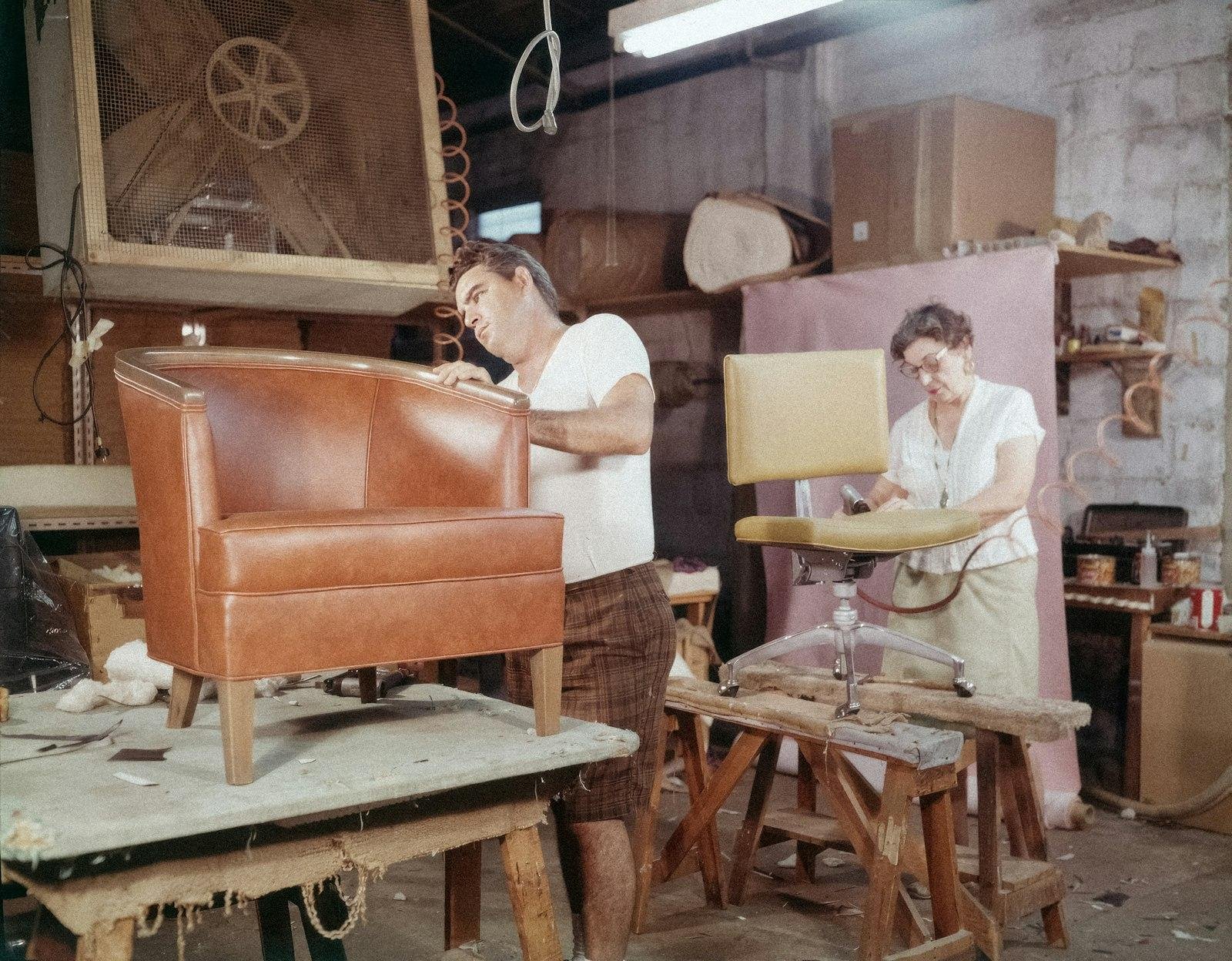
Good DIY projects share three things: flat surfaces, a removable part you can work on at a bench, and a cheap worst case.
- Drop-in dining chair seats. The seat lifts out of the frame, you strip it, add new foam and wadding if needed, staple on new fabric and drop it back in. A drop-in pad takes roughly half a metre of fabric. This is the classic first project for good reason.
- A plain box footstool or ottoman. Flat panels and square corners are manageable with patience. Buttons, piping and a fitted skirt are where it gets harder.
- A flat padded headboard. With no tufting or channels, this is mostly a stretching and stapling job.
- Loose cushion covers with zips. Possible if you are confident on a sewing machine, though getting crisp corners and boxing straight takes practice.
When should you call a professional upholsterer?
Sofas and armchairs
A sofa is many separate panels that all have to be cut, matched and tensioned so the fabric sits straight and the pattern lines up across the cushions and arms. Underneath there are springs, webbing, foam and wadding that often need rebuilding while it is open. If you are unsure whether yours is worth doing at all, start with our seven checks for an old sofa.
Leather
Leather does not forgive. Staple holes and needle holes are permanent, a mis-cut panel cannot be re-cut from the same hide, and it needs different tools and techniques from fabric. Our guide to leather versus fabric upholstery covers how the two behave.
Car seats
Many modern car seats contain side airbags, heating elements or sensors, and the covers are shaped to fit closely around them. Getting the cover wrong can affect more than looks. See what car seat reupholstery costs in Auckland before deciding.
Boat seats and squabs
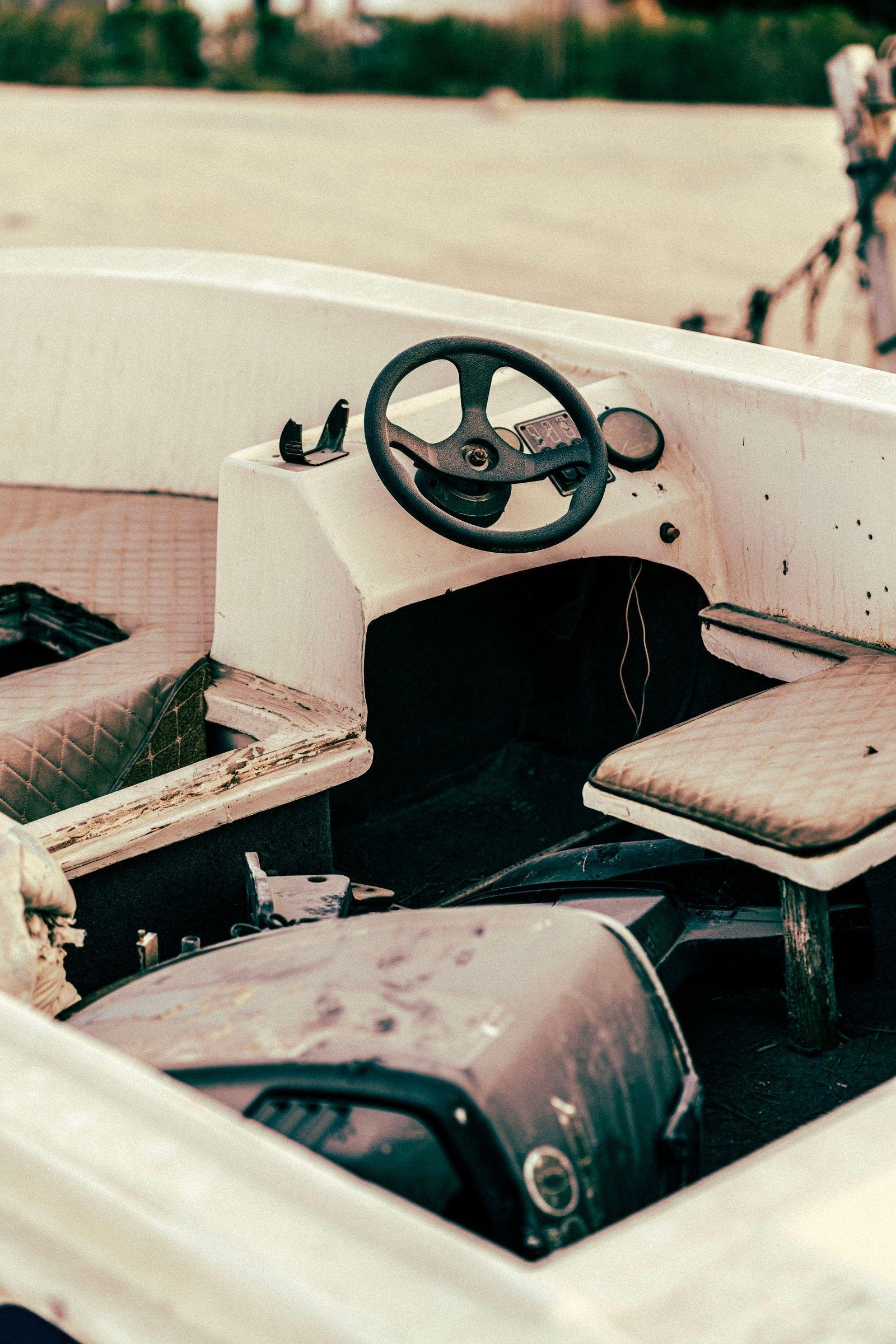
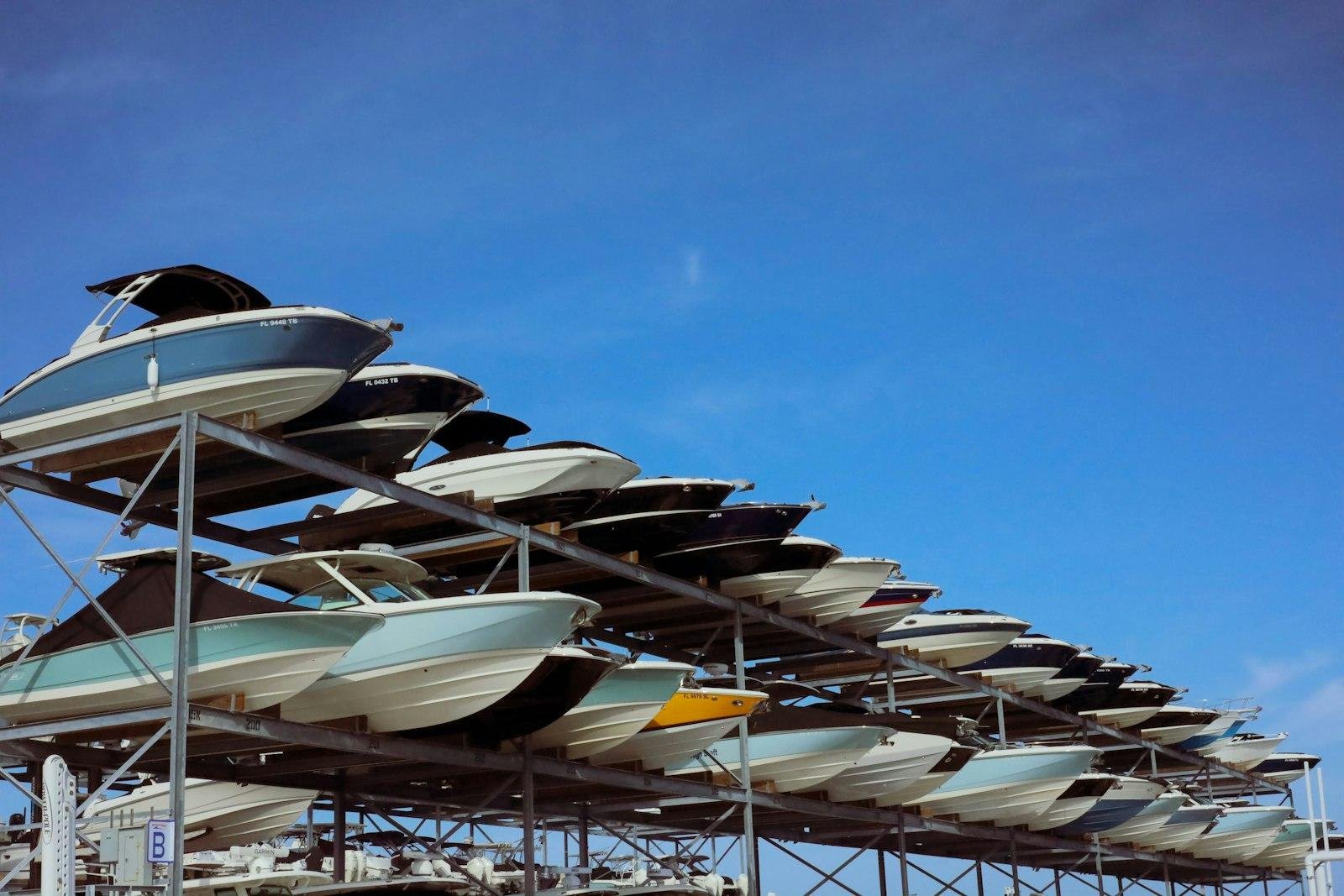
Marine upholstery needs UV-stable vinyl, marine thread and construction that keeps water out of the foam. Ordinary thread and fabric fail quickly in salt and sun. Small marine repairs start from $80 (excl GST) — see the boat upholstery cost guide.
Antique and traditional pieces
Older furniture can be built with hand-tied springs, traditional stuffing and tacked webbing. Stripping it without knowing how it goes back together can cause damage that is expensive to undo, and on a valuable piece it can reduce its value.
DIY vs professional upholstery: how do they compare?
| Job | DIY? | Professional price (2026) |
|---|---|---|
| Drop-in dining chair seat | Yes, good first project | $80 – $150 per chair |
| Fully upholstered dining chair | Possible, harder | $80 – $300 per chair |
| Bar stool | Simple pads only | $80 – $300 each |
| 2-seater sofa | Not recommended | $600 – $1,200 |
| 3-seater sofa | Not recommended | $900 – $1,800 |
| Boat squab or cushion replacement | Not recommended | $150 – $200 (excl GST) |
| Car seats, leather, antiques | Professional | Quoted free from photos |
All prices exclude GST. Furniture prices include fabric and labour. Full breakdowns: dining chairs, bar stools and sofas.
What does DIY upholstery really cost?
Fabric is the obvious cost, but it is rarely the only one. Before you start, add up:
- Tools. A decent staple gun, staple and tack remover, sharp shears, upholstery needles and strong thread. A cheap staple gun that will not drive staples fully into hardwood is the most common frustration.
- Foam and wadding. Old foam usually needs replacing once the cover is off. New fabric over flat foam still sits like an old chair.
- Extra fabric. Beginners need spare for mistakes, and patterned fabric needs more again to match across pieces.
- Time. A drop-in seat is an afternoon. Anything with sewn panels can take far longer than you expect.
- The redo. If it does not come out right, you pay for fabric twice.
On a single drop-in seat, DIY usually wins on cost. On a sofa or a set of fully upholstered chairs, the gap closes quickly once you count everything.
What goes wrong most often with DIY upholstery?
- Uneven tension. Fabric pulled tighter on one side leaves ripples or a crooked pattern.
- Bulky corners. Too many folds at a corner stop a drop-in seat fitting back into its frame.
- Skipping the foam. New fabric over tired foam wrinkles and wears quickly.
- Wrong fabric. Curtain or dress fabric on a chair wears through fast. Our guide on how to choose upholstery fabric explains rub counts and what suits daily use.
- Stopping halfway. Very common. If you have started and stalled, send us photos — we can pick it up from where you are.
Frequently asked questions
Is it cheaper to reupholster furniture yourself?
For a simple drop-in seat, usually yes. For sofas, armchairs and anything with springs, sewn panels or leather, the savings shrink once you add tools, foam, extra fabric, your time and the risk of redoing it.
Can I buy the fabric and have you do the work?
Yes. You are welcome to supply your own fabric. Check the metreage with us first so you do not buy too little.
Can you finish a DIY job I have started?
Yes. Send photos of where you are up to and we will tell you what needs to happen next.
How do I know if my chair has a drop-in seat?
Push up from underneath. If the seat lifts out of the frame in one piece, it is a drop-in seat. If the fabric wraps around the frame rails and is stapled to them, it is a fixed seat and harder to do well at home.
Get a quote before you decide
Send a photo of the whole piece and one of the worst wear, and we will tell you honestly whether it is a weekend DIY job or worth handing over. We pick up and deliver across Auckland, and we are open seven days.
WhatsApp +64 22 634 3792 or call 022 634 3792. Quotes from photos are free, or use our contact page.
Read more about furniture reupholstery in Auckland, upholstery repairs across Auckland, what dining chair reupholstery costs, or whether your old sofa is worth reupholstering.
About the author. Viraj is the founder and lead upholsterer at Upholstery World Auckland, working across furniture, automotive, marine and commercial upholstery Auckland-wide. Send photos for a free quote on WhatsApp: +64 22 634 3792.